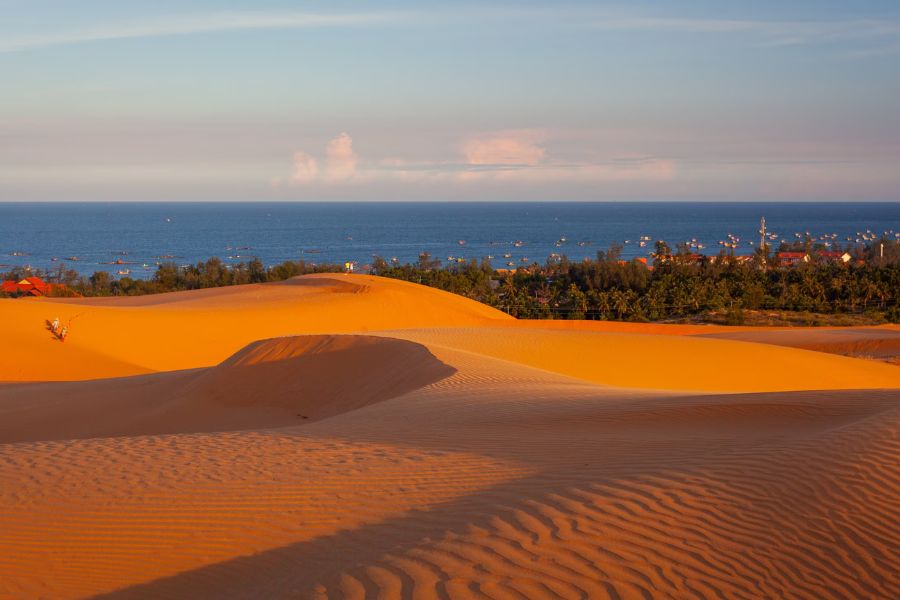
Red Sand Dunes
15 min drive
Located near the main road, these dunes complement a morning trip by offering a different landscape from the White Sand Dunes.

Mui Ne sits on Vietnam's southeast coast, 200 kilometers northeast of Ho Chi Minh City. This fishing-village-turned-resort occupies a narrow strip between Highway 706 and the South China Sea, inside the administrative boundaries of Phan Thiet City. The question of where Mui Ne is in Vietnam is answered by three nested layers: the province, the city, and the ward that gives the area its name.
Quick answer
Mui Ne is located in Mui Ne Ward, Phan Thiet City, Binh Thuan Province, Vietnam. The resort strip runs along the coast approximately 22 kilometers east of Phan Thiet's city center and 200 kilometers northeast of Ho Chi Minh City. The town is open 24 hours daily, with free access to the main beach and village areas. Most visitors arrive between 05:00 and 08:00 to catch sunrise over the sand dunes.
Mui Ne Ward holds the coordinates 10.9333° N, 108.2833° E, placing it on a northeast-facing curve of coastline where the South China Sea meets red sand dunes and dragon fruit plantations. The settlement began as a fishing anchorage sheltered by the cape that juts into the ocean at the eastern end of the beach. Over three decades, the waterfront transformed into a continuous resort corridor stretching 15 kilometers from Ham Tien Ward in the west to the fishing harbor in the east, yet the name Mui Ne stuck for the entire strip. Understanding where is Mui ne in vietnam within the national geography clarifies why it became a coastal hub. Binh Thuan Province marks the transition zone between southern Vietnam's flat delta and the central highlands. Phan Thiet City, the provincial capital, governs both the urban core and the coastal wards that include Mui Ne. Highway 1A, Vietnam's main north-south artery, passes through Phan Thiet 22 kilometers west of the beach, making Mui Ne accessible by road from Ho Chi Minh City in four to five hours and from Nha Trang in four hours heading north. The address listed for Mui Ne—Mui Ne Ward, Phan Thiet City, Binh Thuan Province—refers to the entire coastal ward rather than a single building. The fishing village that retains the name occupies the eastern headland, where wooden boats moor in shallow water and the morning seafood market operates on the sand. The resort hotels, guesthouses, and restaurants spread west from that point along Nguyen Dinh Chieu Street, the coastal road that forms the spine of the tourist zone. The white sand dunes lie five kilometers northeast of the village center, while the red dunes sit four kilometers west, both accessible by short motorcycle or taxi rides from any point along the beach. Mui Ne's position on the dry side of the Truong Son mountain range produces the region's semi-arid microclimate, with annual rainfall below 1,000 millimeters and steady northeast winds from November through March. The wind and shallow coastal shelf made the cape a natural fishing station, and those same conditions later attracted kitesurfers and windsurfers. The Fairy Stream, a shallow red-rock watercourse, enters the sea at the center of the resort strip, marking the informal boundary between the backpacker zone to the west and the higher-end resorts to the east.
“Mui Ne occupies a narrow strip between Highway 706 and the South China Sea, inside the administrative boundaries of Phan Thiet City.”
Mui Ne is located in Mui Ne Ward, Phan Thiet City, Binh Thuan Province, Vietnam, approximately 200 kilometers east of Ho Chi Minh City. Visitors typically reach the area by road or rail via Phan Thiet City.
QL1A highway from Ho Chi Minh City to Mui Ne
RE4 or SPT2 line from Saigon Railway Station to Phan Thiet Station
QL1A highway or Phan Thiet–Dau Giay Expressway
Plan your arrival between 05:00–08:00 to align with favorable conditions for exploring the sand dunes and to avoid the midday heat.
The best time to visit Mui Ne is during the dry season, specifically between November and April, to ensure clear skies for outdoor exploration. Within any given day, the optimal arrival window is 05:00–08:00 to catch the sunrise and avoid the midday heat on the sand dunes.
Dry and sunny, 25°C–32°C
This period offers the most stable weather for visiting the dunes and beaches. Frequent breezes make the heat manageable.
Humid with occasional rain, 26°C–33°C
Afternoons often see short, intense showers. Mornings remain viable for travel and sightseeing.
—
The 05:00–08:00 window provides cooler temperatures and better lighting for photography. It is the preferred time to navigate the sand dunes before peak heat.
Verdict: For the most favorable experience, plan your visit between November and April, ensuring you arrive at your destination within the 05:00–08:00 arrival window.
Access to Mui Ne town is free of charge, though specific tourist attractions within the area require individual entry fees. These costs depend on the specific site you choose to visit.
Verdict: A typical visitor pays 0 VND for general town access, with costs only applying when entering specific attractions like the Fairy Stream.
Mui Ne is a public town area accessible to visitors at all times. It remains open daily throughout the week.
Extending your visit beyond the sand dunes allows for a deeper appreciation of the Binh Thuan province. These sites pair naturally with your journey to provide a balanced mix of coastal geography and regional heritage.
15 min drive
Located near the main road, these dunes complement a morning trip by offering a different landscape from the White Sand Dunes.
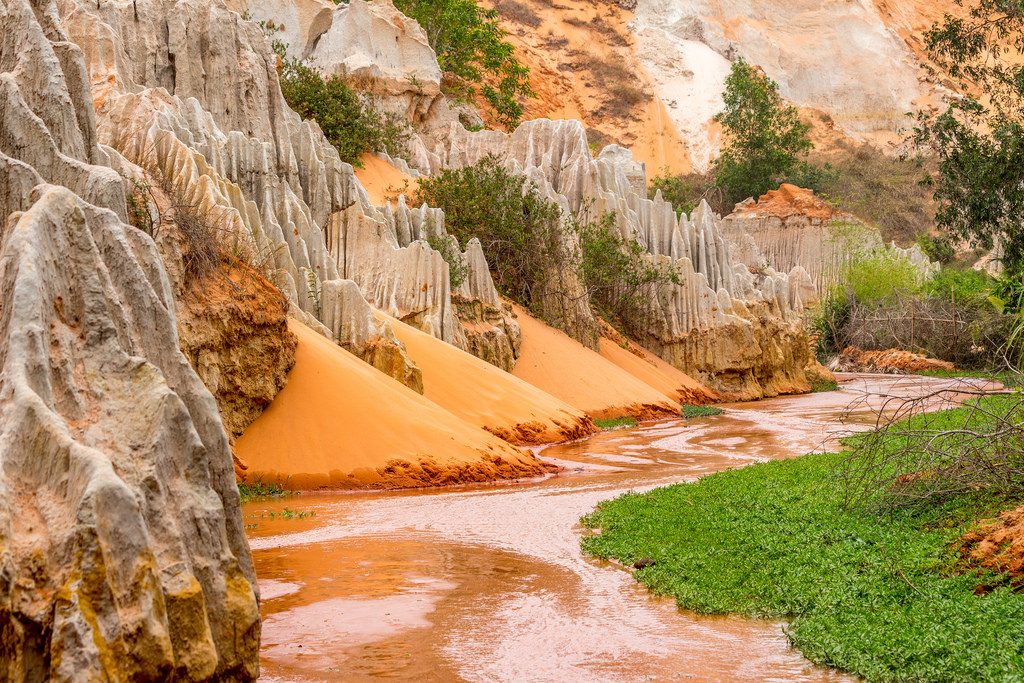
5 min drive
This shallow stream walk through natural rock formations provides a cool contrast to the arid environment of the dunes.
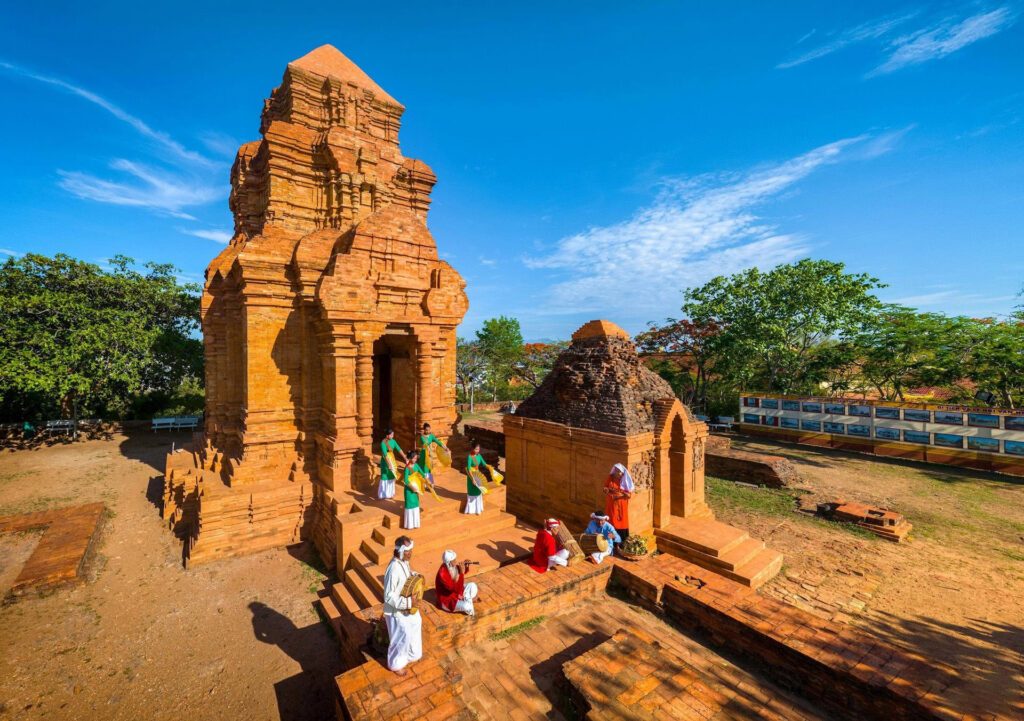
20 min drive
Situated on a hill between Phan Thiet and Mui Ne, these 8th-century ruins offer historical context regarding the Champa Kingdom in this region.
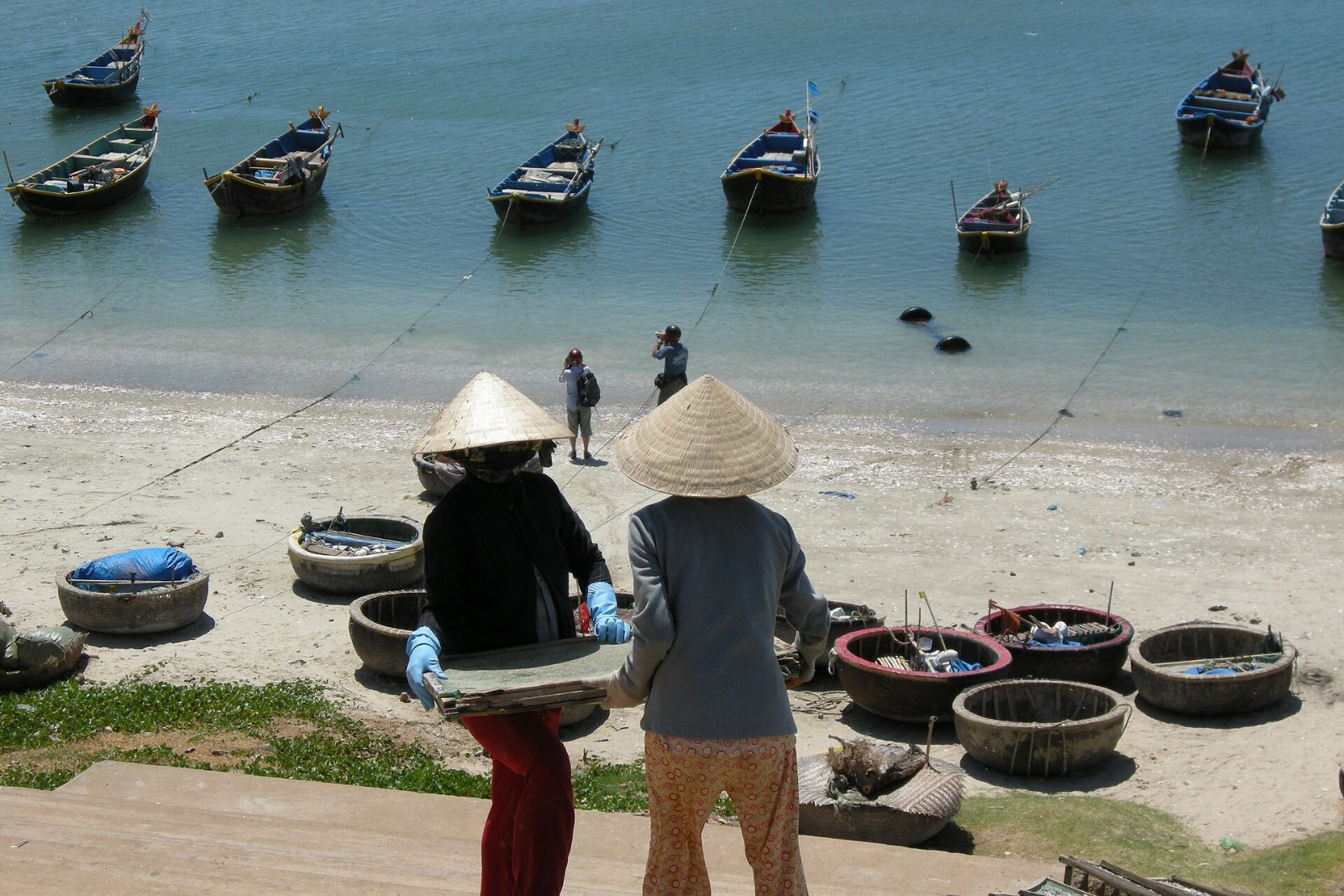
15 min drive
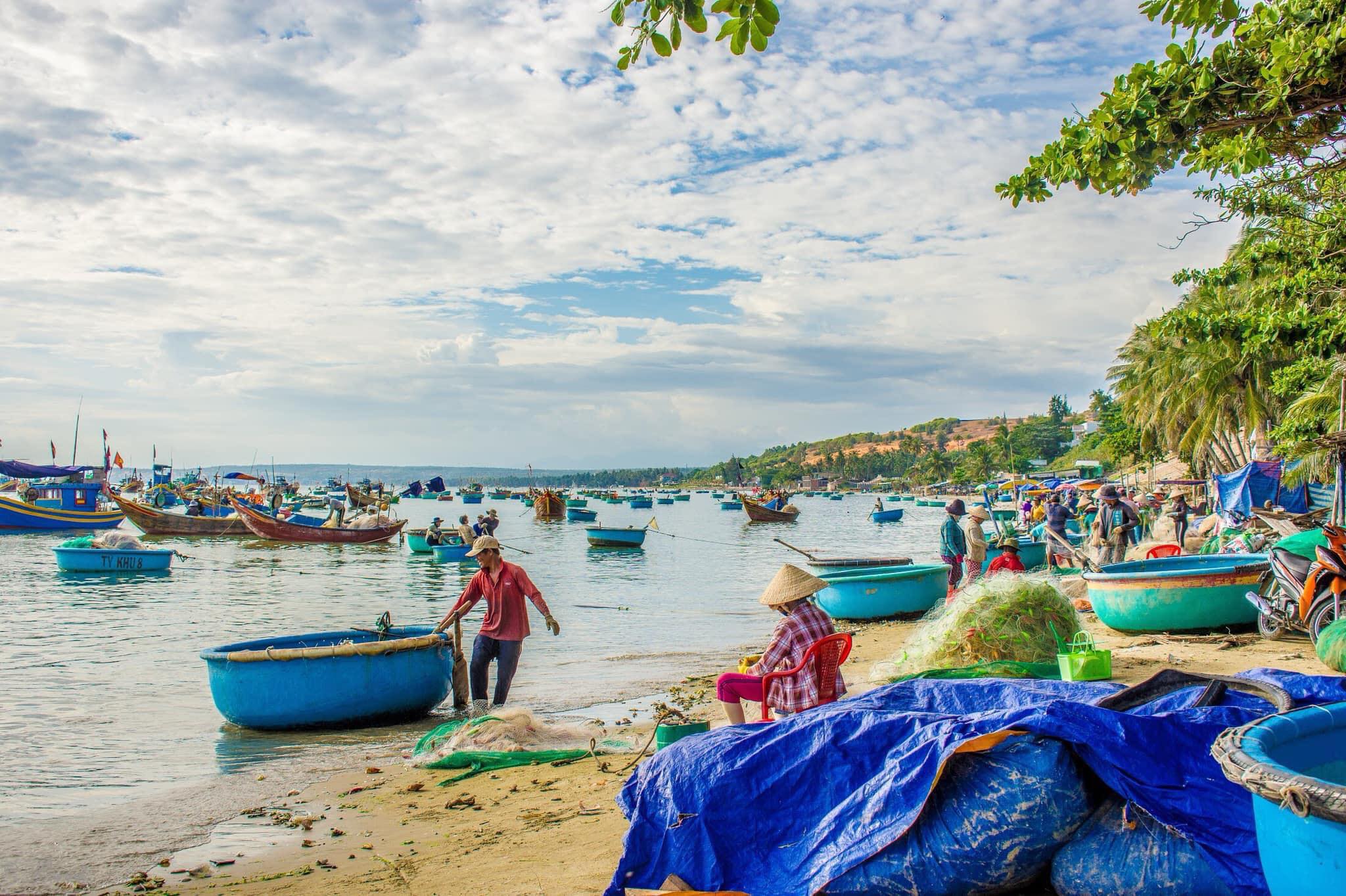
This active harbor reveals the local fishing industry that sustains the coastal settlements, pairing well with a visit to the nearby seafood markets.
Everything you need to know about where is mui ne in vietnam
Mui Ne is situated in the Binh Thuan Province, specifically within the Mui Ne Ward of Phan Thiet City. This coastal region serves as a popular destination for travelers seeking diverse landscapes ranging from sand dunes to fishing villages.
Transportation options from Ho Chi Minh City are varied, often involving bus or private car transfers to reach the coastal district. Detailed logistics regarding transit routes are best reviewed in our dedicated guide to reaching the region.
To enjoy sunrise viewing and avoid the intense midday heat on the dunes, the best arrival window is between 05:00 and 08:00. Planning your travel accordingly helps ensure a more comfortable experience during your visit.
The town itself is free to enter, with an entrance fee of 0 VND. Specific attractions, such as the Fairy Stream, may charge a nominal fee of approximately 15,000 VND.
It is located to the east of Ho Chi Minh City along the southern coast of the country. Many visitors use this geographical context to plan their itinerary for a coastal getaway.
Local attractions and the town itself operate daily from 00:00 to 23:59. While general access is unrestricted, individual site times may vary based on specific local management.
When considering where is Mui Ne in Vietnam for a short visit, it remains a feasible coastal destination from major southern hubs. Its distinct red and white sand dunes provide a unique contrast to urban environments.
Understanding exactly where is Mui Ne in Vietnam helps travelers better navigate the Binh Thuan Province. We recommend checking our transportation resources to finalize your logistics for this journey.
Ho Chi Minh to Mui Ne Train
Read more GuideTravel Time from Ho Chi Minh to Mui Ne
Read more GuideHo Chi Minh to Mui Ne Bus Guide
Read more GuideDistance from Ho Chi Minh to Mui Ne
Read more Tickets & toursHo Chi Minh to Mui Ne Limousine
Read more Tickets & toursMui Ne Day Trip from Ho Chi Minh City
Read more Tickets & toursHo Chi Minh to Mui Ne Private Transfers
Read more